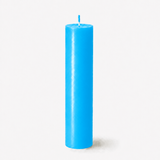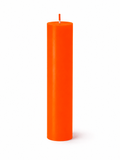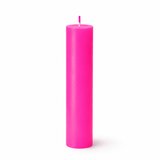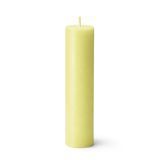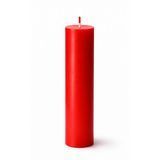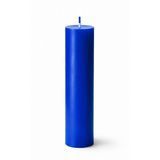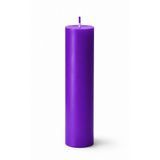
Wax Play cleanup should never become a race. After the scene, the safest approach is usually to pause, allow the wax to cool completely and remove it without pulling, scraping or reheating it. The best method depends on how much wax is present, where it was applied, whether it has reached body hair and how sensitive the skin feels.
Feral Feelings Wax Play candles are formulated to cool into flexible sections that are easier to peel away than many household candle waxes. However, no wax should be removed forcefully. Skin sensitivity varies, and even a low-temperature formula can feel different from one person or body area to another.
This guide explains how to remove Wax Play wax from the skin, hair, fabrics and hard surfaces, what not to use during cleanup and when skin irritation may require medical attention.
If you are preparing for your first scene, read our complete Wax Play guide for beginners before lighting the candle.
When Should You Remove Wax After Wax Play?
Leave the wax in place until it has fully cooled and hardened. Thick pools and layered patterns can remain warm underneath even when the surface feels firm, so check the entire area carefully before removal. Trying to remove wax while it is still hot, warm or soft can spread it across the skin, break it into smaller pieces and increase discomfort. A fully cooled layer is usually easier to lift at one edge and peel away in larger sections.
Before you begin, check both the wax and the skin around it. Ask the receiving partner how the area feels. If the skin is comfortable and the wax is completely cool, you can begin removing it slowly. If the area is unusually painful, blistered, broken or appears burned, do not pull away wax that is stuck to the affected skin. Burn first aid and professional medical advice take priority over routine cleanup.
How Do You Know the Wax Is Fully Cooled?
Wax is ready to remove when:
-
it no longer feels warm;
-
the surface feels firm rather than soft or tacky;
-
the layer does not deform under a very light touch;
-
its edges can be lifted without the wax stretching or smearing.
Thin drops may cool quickly, while thick pools and several overlapping layers can remain warm underneath for longer. Check different parts of a large wax pattern rather than assuming the entire layer has cooled at the same rate.
How to Remove Wax from the Skin Step by Step
The goal is to separate the cooled wax from the skin with as little pulling and friction as possible. Work in good lighting, allow enough time and keep communicating throughout the process.
1. Let the Wax Cool Completely
Do not start peeling as soon as the candle is extinguished. Wait until every part of the wax pattern feels cool and firm. Thick layers, overlapping colours and larger pools need more time than individual drops.
Use this pause to check the receiving partner's comfort and look for areas that may need extra care. If a section of skin feels painful rather than simply warm or sensitive, stop and assess it before continuing.
2. Find an Edge of the Wax
Choose an outer edge that is easy to reach. Use clean fingertips to lift it gently. Do not dig a fingernail into the skin or force a tool underneath the layer.
Larger, flatter wax sections on the back or thighs are often easier to start than small drops. If an edge will not lift easily, move to another part of the pattern instead of repeatedly picking at the same spot.
3. Peel the Wax Away Gently
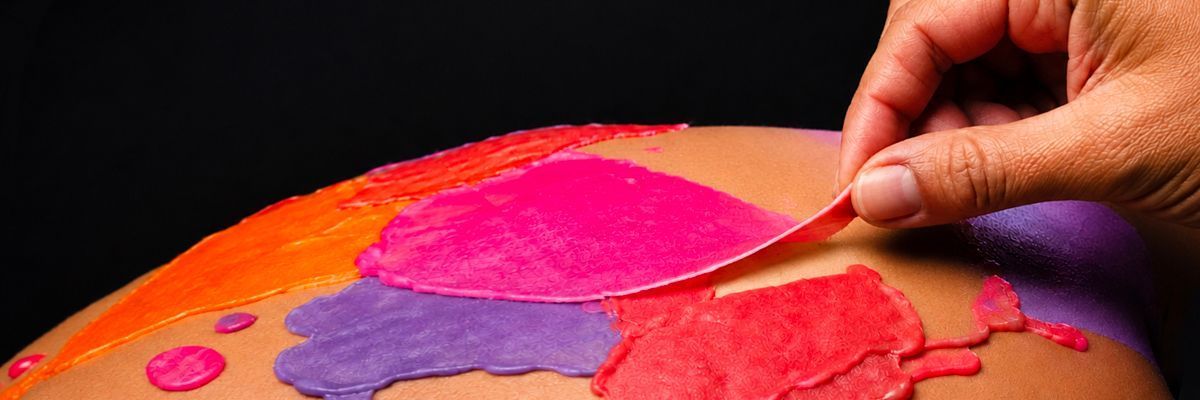
Once an edge has lifted, peel the wax back slowly with your fingers. Keep your hands close to the skin instead of pulling the wax sharply upwards. This reduces sudden tension on the skin and any fine body hair caught underneath.
Peel the wax slowly and keep the lifted section close to the skin rather than pulling it sharply away from the body. Follow the direction that causes the least pulling or discomfort, especially when hair is present. If the layer breaks, simply find a new edge and continue. There is no need to remove the whole pattern in one piece.
Pause immediately if the skin pulls excessively, the wax catches in hair or the person experiences sharp pain, persistent burning or unexpected discomfort.
4. Remove Smaller Pieces and Residue
After the main layers have been removed, collect loose flakes with your fingers. Small traces may be washed away gently with lukewarm water and a mild product intended for use on the skin.
Do not scrub, scratch or keep rubbing one area to remove every trace at once. If a small amount of residue does not come away easily, give the skin a break and return to it later. Avoid household cleaners, stain removers, alcohol-based solvents, essential oils and other products that are not designed for that area of the body.
5. Check the Skin Afterwards
Look at every area where wax was applied. Mild, short-lived redness can occur after heat, pressure or friction, but the skin should not be ignored if it becomes increasingly painful, swollen, blistered, broken or unusually discoloured.
Ask how the area feels and allow the skin to rest before applying more wax or introducing another intense sensation. Do not rub or scrape a sensitive area during aftercare.
How to Remove Wax Without Irritating the Skin
Even wax that normally peels away easily can catch on hair, dry skin or a layered edge. To reduce pulling and irritation:
-
wait until the wax is completely cool;
-
use clean fingers rather than sharp or rigid tools;
-
peel slowly and keep the wax close to the skin;
-
work in smaller sections when the wax covers body hair;
-
stop if the skin is being pulled or the person reports sharp pain;
-
take extra time on sensitive areas.
If wax becomes tangled in hair, separate the surrounding strands and work on one small section at a time. Never pull the wax and hair apart with force.
What Not to Use to Remove Wax
Cleanup methods that are suitable for floors, glass or fabric may be unsafe on the body. Treat the skin as skin, not as a household surface.
Do Not Use Knives or Metal Scrapers
Never use a knife, razor, metal scraper, scissors or another sharp object to lift wax from the skin. A small movement from either partner can turn the tool into a cutting hazard. Metal edges may also scrape or pinch skin even when they do not appear particularly sharp.
Use your fingertips. If the wax will not release gently, pause instead of introducing a tool.
Do Not Pull Hardened Wax Off Suddenly
Ripping away a cooled layer may pull body hair, irritate the skin and make it harder to notice a sensitive area before it becomes painful. Remove wax slowly, section by section, while checking the receiving partner's response.
Do Not Try to Melt Wax Off the Skin
Do not use a hairdryer, heated towel, hot water, flame or another heat source to soften wax on the body. Reheating makes the temperature harder to control and can cause the wax to spread into hair or across a larger area of skin.
If the wax is already cool, keep it cool and remove it mechanically with your fingers.
Be Careful with Oils, Solvents and Household Cleaners
For intact, uninjured skin, a small amount of a suitable skin-safe oil may help loosen tiny traces of fully cooled wax or residue in hair. Use only a product intended for the relevant body area, and stop if it causes stinging or irritation. Oil should never be used on skin that may be burned, blistered or damaged.
Never use paint thinner, cleaning solvent, stain remover, perfume, concentrated essential oil or another household product on the skin. Do not apply butter or creams as first aid to skin that may be burned.
How to Remove Wax from Hair
Wax is more difficult to remove from hair because it can surround several strands and harden into an irregular shape. Pulling the entire piece away at once may tug the hair and the skin underneath.
First, allow the wax to cool completely. Support the hair close to the skin so that it is not pulled at the root. Break or peel away only the loose outer sections with your fingers, then work through the remaining wax in small areas.
For residue, use a small amount of conditioner or oil only if it is suitable for that hair and the skin beneath it. Work it gently through the affected strands with your fingers, without rubbing an irritated area. Avoid hot water and direct heat, which can soften the wax unpredictably and spread it further through the hair.
If the wax is close to a highly sensitive area, is tightly attached to painful skin or cannot be removed without force, stop. Do not keep pulling merely to finish the cleanup quickly.
The simplest solution is prevention: avoid pouring wax over scalp hair, facial hair or dense body hair, or cover hair safely before the scene begins.
How to Remove Wax from Different Body Areas
There is no single removal technique that works identically on every part of the body. Layer thickness, hair density, skin sensitivity and accessibility all affect the process.
Back and Thighs
The upper back and outer thighs often provide larger, flatter areas from which cooled wax can be lifted in broad sections. Find an outer edge and peel it back slowly. Do not assume these areas are insensitive: continue checking comfort and watch how the skin responds.
Areas with More Body Hair
Work in smaller sections and support the skin and hair close to the area you are peeling. If the wax catches, stop and separate the strands gently. Do not rip the wax away against the direction of hair growth.
Sensitive Skin
Use minimal friction and take more breaks. Avoid aggressive cleansers, exfoliating products and repeated rubbing. If the skin was already irritated before the scene, wax should not have been applied there; if irritation becomes visible during cleanup, stop and reassess the area.
Wax should never be poured onto the face, eyes, mucous membranes, genitals, damaged or irritated skin, fresh tattoos or areas with reduced sensation.
How to Remove Wax from Furniture and Surfaces
The correct method depends on the material. Before using water, cleaner or any mechanical method, check the manufacturer's care instructions and test the approach on an inconspicuous area when possible.
Fabric and Towels
Allow the wax to harden before handling it. Bend or flex washable fabric gently to loosen larger pieces, then lift the hardened wax without spreading it further into the fibres. Do not use a sharp blade.
After removing the solid wax, follow the care label for the specific fabric. Pigment and oily residue may need different treatment depending on whether the material is cotton, synthetic, upholstery, leather or a delicate textile. If the item is valuable or cannot be washed normally, use a professional cleaning service rather than experimenting with heat or strong chemicals.
Wash towels used for Wax Play separately when there is visible pigment or residue, and check them before machine drying. Heat can make some remaining stains more difficult to remove.
Hard Surfaces
Let the wax cool fully. Lift the hardened pieces with your fingers, a flexible plastic card or a non-sharp plastic scraper that will not damage the finish. Then clean the remaining trace with a product approved for that particular surface.
Avoid metal tools and do not assume one cleaner is suitable for painted wood, laminate, stone, glass and varnished furniture. Test first, especially when coloured or UV-reactive wax is involved.
Why You Should Protect Surfaces Before Wax Play
Prevention makes cleanup much simpler. Place a washable towel, disposable cover or another suitable protective layer beneath the receiving partner before lighting the candle. Cover a wider area than you think the wax will reach: angled candles and moving hands can send drops beyond the intended pattern.
Keep all coverings a safe distance from the flame and never leave a burning candle unattended.
What to Do If Wax Leaves Colour on the Skin
Wax colour does not always transfer to the skin, but formulas, pigments and skin types vary. Feral Feelings Wax Play candles are formulated to cool into flexible sections that can be removed in larger pieces. After correct use and full cooling, the wax normally peels away without smearing heavily, although small traces of wax or pigment may occasionally remain.
Remove any loose pieces with your fingers, then wash the intact skin gently with lukewarm water and a mild skin-safe cleanser. Do not scrub the area or use bleach, stain remover, solvent or another household cleaning product.
If you are using a new candle, test one drop on a small, appropriate area before creating a larger pattern. This helps you observe both the heat response and how the colour behaves on that person's skin. If colour is accompanied by itching, swelling, pain or a rash, stop using the product and seek appropriate medical advice.
What to Do If the Skin Is Irritated After Wax Play
Stop applying wax if the skin becomes painful, increasingly red, swollen, blistered, broken or unusually sensitive. Do not rub, scrape or peel material that appears stuck to injured skin.
If you suspect a burn, hold the affected area under cool running water and follow appropriate burn first-aid guidance. Do not use ice, iced water, butter or oil. If wax or another material is stuck to burned skin, do not pull it away.
Seek medical help if the reaction is severe, continues to worsen, does not settle, shows signs of infection or involves blistering, broken skin or a large or particularly vulnerable body area. When in doubt, contact an appropriate medical professional rather than trying additional home treatments.
How to Clean Up After Wax Play
Use this simple sequence after the scene:
-
Extinguish the candle and place it on a stable, heat-resistant surface.
-
Allow all wax on the body to cool completely.
-
Remove the main wax layers slowly with your fingers.
-
Check the skin and deal carefully with small residue.
-
Collect loose wax pieces instead of brushing them onto the floor.
-
Inspect towels, protective covers, furniture and nearby surfaces.
-
Clean each material according to its care instructions.
-
Check the candle and wick only after they have cooled.
-
Store the candle upright in a cool, dry place once it is fully cold.
Do not rush cleanup if the receiving partner needs rest, water or emotional aftercare first. The room can wait a few minutes; comfort and communication remain part of the scene until everyone feels settled.
Can You Reuse Wax Removed During Wax Play?
Wax removed from the body is not the same as clean wax remaining in the candle. The candle itself may be suitable for another session, but wax that has already touched the body should not be reused.
Once the candle is completely cool, you can gently remove loose wax that has run down its outside if it interferes with stable storage or future use. Do not cut into the candle with a knife or dig around the wick with a metal tool. Before relighting, inspect the candle for damage and check the wick according to the product instructions.
Wax that has already been poured onto the body, removed from the skin or collected from a used surface should not be gathered, remelted or returned to the candle. It may contain hair, skin residue, textile fibres or other contamination, and reheating it can change how it behaves. Dispose of used wax rather than trying to recycle it into the product.
FAQ About Removing Wax After Wax Play
How long should I wait before removing Wax Play wax?
Wait until every part of the wax is completely cool, firm and no longer deforms under a light touch. There is no universal number of minutes because individual drops, thick pools and layered patterns cool at different rates. Check the thickest areas before you begin.
Can I peel Wax Play wax off with my fingers?
Yes. Clean fingers are usually the best tool for lifting an edge and slowly peeling fully cooled Wax Play wax from intact skin. Keep the wax close to the body as you peel, work in sections and stop if it catches in hair or causes sharp pain.
Can I use a knife or scraper to remove wax?
Do not use a knife, razor, metal scraper or another sharp tool on the body. These objects can cut or scrape the skin if either person moves. For skin, use your fingers. For hard household surfaces, use only a non-sharp tool that is appropriate for that material.
What should I do if wax gets stuck in hair?
Let the wax cool, support the hair close to the skin and work in small sections. Remove loose pieces with your fingers. A small amount of hair- and skin-safe conditioner or oil may help with residue, but do not pull, reheat the wax or use household solvents.
How do I remove small traces of wax from the skin?
Pick up loose flakes with clean fingers. Wash intact skin gently with lukewarm water and a mild product intended for use on the body. Do not scrub or use aggressive household cleaners. If a trace will not come away easily, let the skin rest and try again later.
Can I use oil to remove Wax Play wax?
A small amount of skin-safe oil may help loosen fully cooled residue or wax caught in hair, but it is not always necessary. Use it only on intact skin and only if the product is appropriate for that body area. Never apply oil as first aid to skin that may be burned, blistered or damaged.
What should I do if my skin is irritated after Wax Play?
Stop the activity and do not rub or scrape the area. If a burn is suspected, cool the affected area with cool running water, follow appropriate burn first-aid guidance and do not apply ice, oils or household creams. Seek medical advice if pain or redness worsens, the skin blisters or breaks, the reaction does not settle or you are unsure how serious it is.
Can I reuse wax that has already been removed from the skin?
No. Do not collect, remelt or return used wax to the candle. Once wax has touched the body or another used surface, it may contain hair, skin residue or fibres. Extinguish and reuse the remaining candle only after it has cooled and you have checked the candle and wick.
Final Checklist: Removing Wax Safely
Before removing
-
✓ The wax is completely cool.
-
✓ The skin feels comfortable enough to begin.
-
✓ You have enough time and good lighting.
-
✓ The candle has been extinguished and placed safely.
While removing
-
✓ Lift an accessible edge gently.
-
✓ Peel slowly and work in sections.
-
✓ Keep checking the receiving partner's comfort.
-
✓ Do not use knives, razors or metal scrapers.
-
✓ Do not pull suddenly or reheat wax on the body.
After removing
-
✓ Check the skin for pain, irritation or signs of a burn.
-
✓ Remove small traces without scrubbing.
-
✓ Clean fabrics and surfaces according to their care instructions.
-
✓ Dispose of wax that has already touched the body.
-
✓ Check and store the candle only after it has fully cooled.
Wax Play cleanup does not need to be rushed. Let the wax cool completely, remove it gently in sections and treat the skin, hair and surrounding surfaces according to their specific needs. With the right preparation and communication, cleanup can be a calm and comfortable part of aftercare.
For future scenes, explore the Feral Feelings Wax Play candle collection and choose the melting range, colour and intensity that suit your experience level.